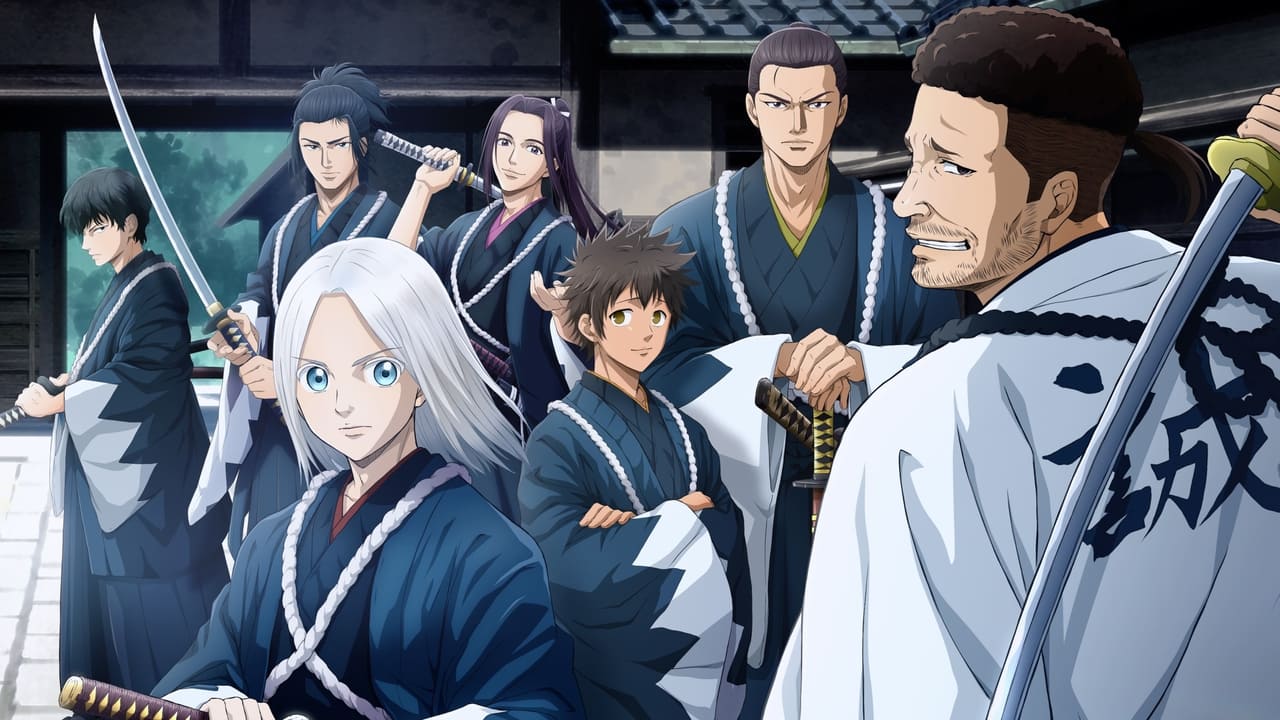
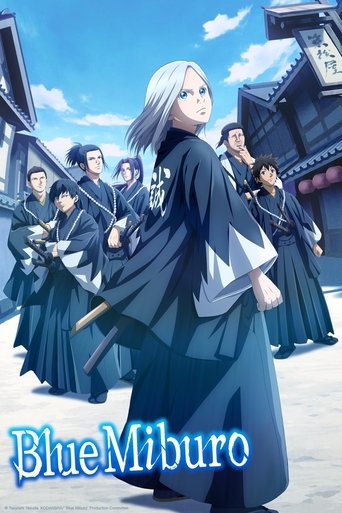
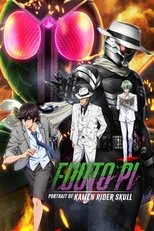
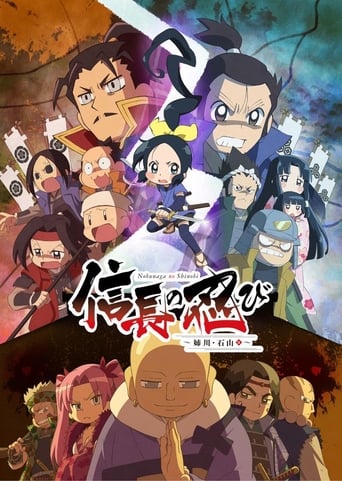
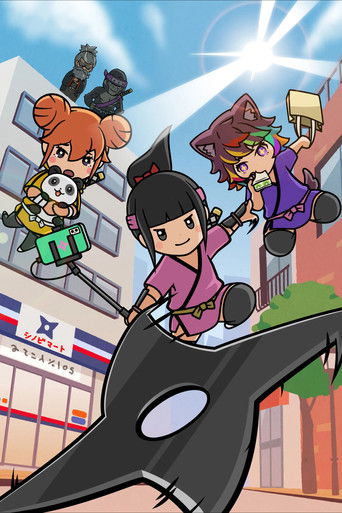
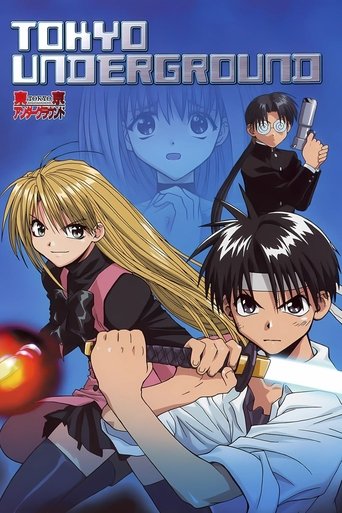
The year is 1863, with the story being based in Kyoto. We follow a youth named Nio who is an honest and kind soul who's considerate of his family, yet he also has a hidden burning passion for seeking justice. From the time he came across Toshizou Hijikata and Souji Okita, members from a group of hated ronin known as the Miburo, his life then takes a turn to a bluer, and clearer path. Nio, alongside the other men whose hearts burn bravely and true, step forth towards an honest path with their blue wills adorned on their hearts!
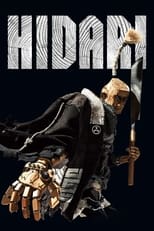
The story centers on a fearsome samurai, once feared on the battlefield for his great skill. But after his clan came to ruin, he has since lived a quiet and humble life, his intimidating face the only proof of his previous warrior life. One day, he encounters a curious corgi dog, who he is immediately taken with, and they begin a life together.
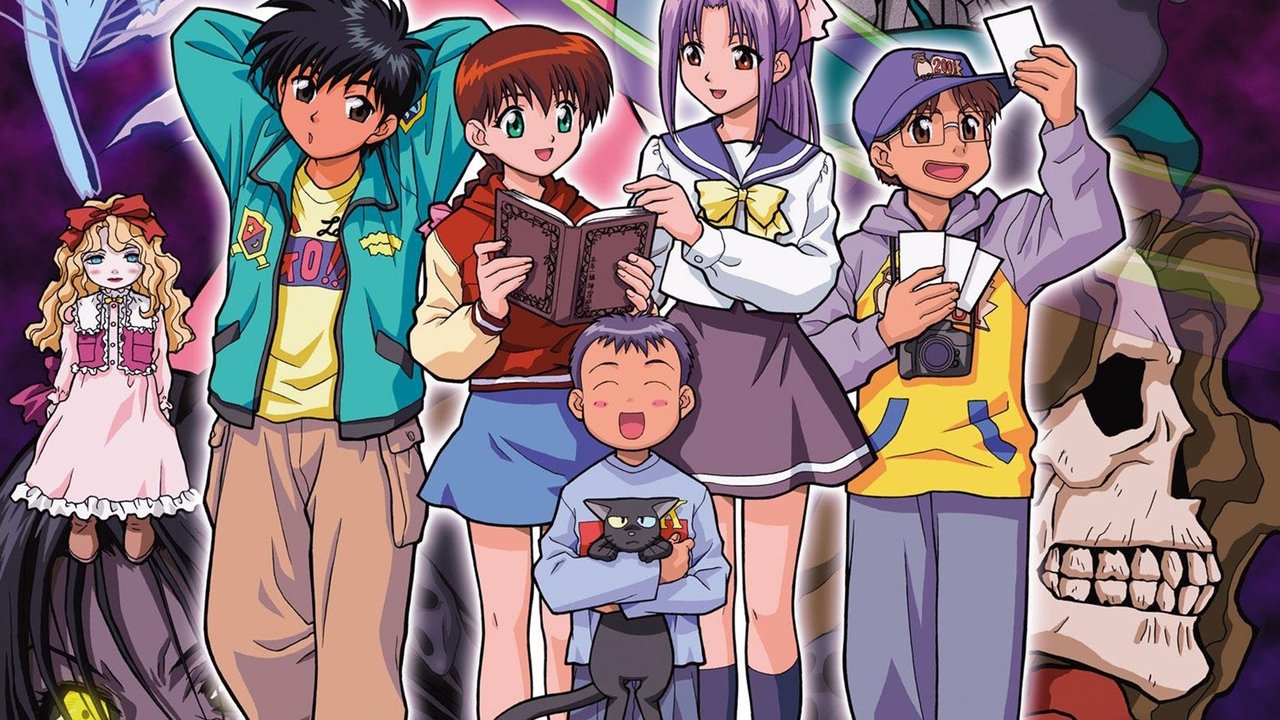
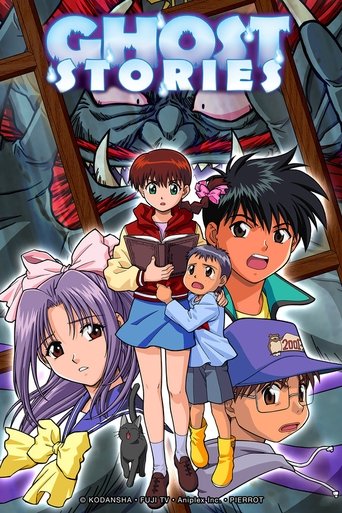
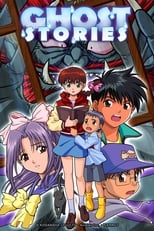
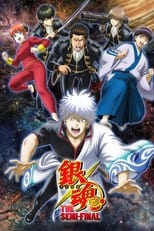
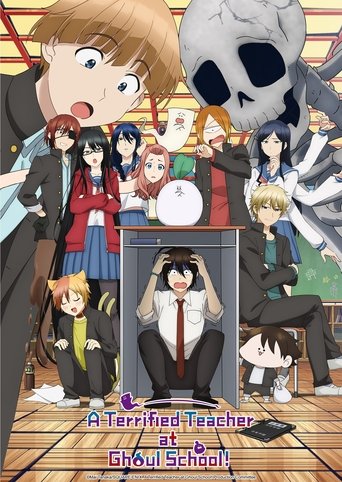
When nearby construction disturbs a spiritual resting place, its disgruntled denizens do what any supernatural beings would do after a rude awakening: they terrorize the local school. And that means it’s up to a scruffy band of young ghostbusters to expel their satanic schoolmates before everyone gets sent to permanent detention! So join Satsuki, her crybaby brother, the resident class stud, the school nerd and "physical researcher," a born-again beauty, and a resentful, demon-possessed cat in the funniest, scariest school you’ve ever enrolled in.
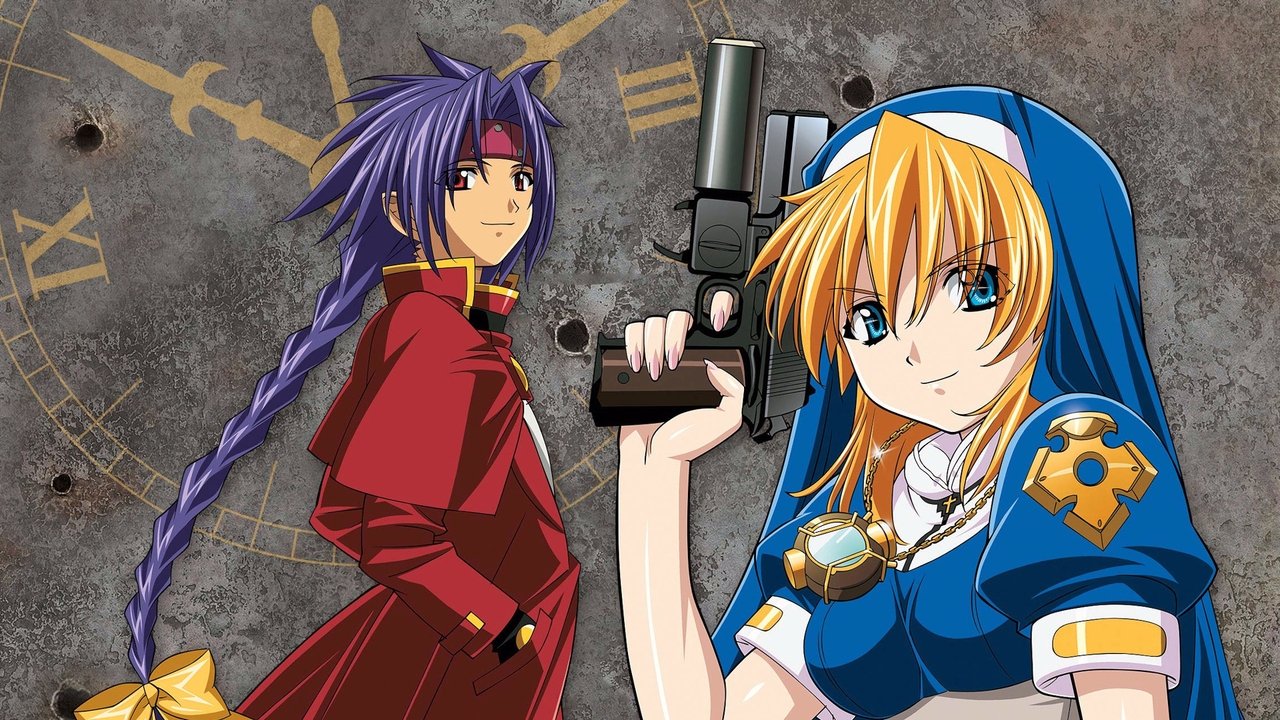
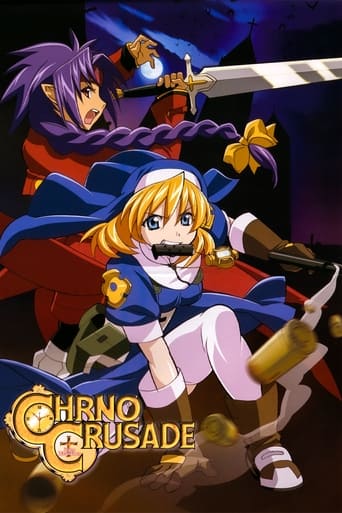
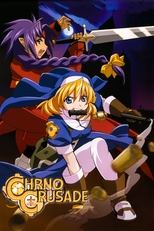
Set in New York during the 1920s, Chrono Crusade follows the story of Rosette Christopher, and her demon partner Chrono. As members of the Magdalene Order, they travel around the country eliminating demonic threats to society, while Rosette searches for her lost brother Joshua.
Anikage: ninja, samurai, yokai and mystery anime, and where to watch them
From Samurai 7, Blue Miburo and Hakuouki to Nintama Rantaro and UNDER NINJA, from Kitaro, Yo-kai Watch and Ghost Stories to the Kindaichi Case Files, Chrono Crusade and Sirius the Jaeger. Pick a title and press Watch now.
Featured Anime Editor's pick
★ 82%200019 EpTV
ComedySci-Fi & Fantasy
Ghost Stories
When nearby construction disturbs a spiritual resting place, its disgruntled denizens do what any supernatural beings would do after a rude awakening: they terrorize the local school. And that means it’s up to a scruffy band of young ghostbusters to expel their satanic schoolmates before everyone gets sent to permanent detention! So join Satsuki, her crybaby brother, the resident class stud, the school nerd and "physical researcher," a born-again beauty, and a resentful, demon-possessed cat in the funniest, scariest school you’ve ever enrolled in.
Anikage: ninja, samurai, yokai and mystery anime, from Samurai 7, Blue Miburo and Sengoku BASARA to Nintama Rantaro, Kitaro, Yo-kai Watch, Kindaichi and Chrono Crusade
Kage means shadow in Japanese, and Anikage is a guide to anime from the shadows of Japan. It began as a sleek, near-black anime site with a floating navigation bar, a tall hero banner, white pill buttons and rows of rounded posters marked with small green episode chips. The new Anikage keeps that dramatic, cinematic design and gives it a theme to match its name: samurai and swordsmen, ninja and kunoichi, the yokai and spirits of Japanese folklore, detectives and phantom thieves, and dark fantasies of exorcists, vampires and demons.
Here you will find the young swordsmen of the Shinsengumi in 1860s Kyoto, the warlords of the Warring States period, ninja school pupils and modern secret agents, Shigeru Mizuki's yokai boy Kitaro in several of his many television incarnations, friendly household spirits and shrine gods, the teenage detective Kindaichi and his classic cases, and nuns, hunters and exorcists facing the creatures of the night. Every title has its own page with the story, the studio, the voice cast and, for series, every episode with its air date, plus a Watch now button that opens it on the official services in your country.
The guide gathers close to two hundred series and films, many of them less-seen gems from the 1980s, 1990s and 2000s alongside recent favourites, and each one was chosen by hand. This page explains how Anikage is built, what each part of the design does and what waits on each shelf. It also suggests viewing routes and points to the short guides that answer everyday questions about subtitles, devices, free viewing and saving titles for later.
The Anikage design
The design is measured from the archived anikage.cc home page, captured in September 2026, and its style sheets. The site offered several colour themes, and the one it showed by default was its dark theme: a near-black page, #0A0A0A, with cards in #151515, raised panels in #1A1A1A and input fields in #27272A. Text is pure white, with secondary text at seventy per cent white, and the main buttons are white pills with black text, a bold, graphic choice that makes the posters and artwork the stars of the page.
Colour appears only in small, meaningful touches. Scores sit in yellow chips, #FACC15, with a gold star. Episode counts on each poster carry a small green dot, #22C55E. The Trending Now heading carries a little orange HOT tag, and the featured card an outlined editor's pick tag. Section headings have a short white bar to their left. Thin borders at ten per cent white outline the navigation bar, the chips, the cards and the round icon buttons.
The original used Rubik, a friendly, slightly rounded sans-serif, and Anikage keeps it for every word. The original logo was an image that the archive only partly kept, so the wordmark is drawn fresh in bold Rubik capitals: ANI in white and KAGE in violet, #A855F7, a shadowy purple that suits the name. The favicon shows a white K inside a violet ring on black.
The navigation bar and the hero
The navigation floats above the page as a rounded pill with a thin border and a blurred, translucent background. Inside it sit the wordmark and the site links: Home, Samurai, Ninja, Yokai, Browse and About, with the current page shown in brighter white. On the right, outside the pill, sit a rounded search box and a round bookmark button that opens My List, echoing the round icon buttons of the original. On phones and tablets, the links fold into a round menu button.
The hero fills most of the first screen, just as on the original. Five titles take turns here: Blue Miburo, Samurai 7, The Corgi and the Samurai, Ghost Stories and Chrono Crusade. Each slide shows full-screen artwork that fades into black at the bottom and on the left. In the lower left sit the title in large bold letters, a row of small chips with the score in yellow, the year, the length and the type, a row of genre chips, three lines of the story and two pills, a white Watch Now and a dark More Info. Along the bottom run small bar indicators, one for each slide, with the current one longer and brighter, and on the right a counter such as 1/5 with two round arrow buttons.
Under the hero, a short heading block introduces the site with the main heading of the page and a line of the best-known titles.
The editor's pick, the rows and the ranked lists
Next comes the Featured Anime card, which the original labelled Editor's Pick. It is a wide rounded card with a soft diagonal gradient from dark grey to black, the poster on the left and the story on the right, with the same chips and pills as the hero. On Anikage it always shows the highest-rated title in the guide with enough votes to be reliable.
The Trending Now row follows, with its little orange HOT tag and an outlined View All pill on the right. It scrolls sideways through fourteen rounded posters, each with a small black chip in the top corner showing a green dot and the number of episodes, or the word Film. Under each poster sit a line of details, the type, the year and the score, and the title in bold white.
Below it, two panels sit side by side: Top 10 Anime, ranked by audience score, and Popular Movies, ranked by popularity. Each lists ten titles with a large grey rank number, a small poster, the title and a line with the score, the year and the type. Then come themed rows in the same style for samurai, ninja, yokai and spirits, mysteries, dark fantasy and family titles, each with its own View All pill. A grid of help cards leads to each guide, followed by this article and a quiet footer with the wordmark and links for movies, TV shows and the rest of the site.
Samurai and swordsmen
The samurai is one of the great figures of Japanese storytelling, and anime has told his story in every possible way, from sober historical drama to wild action comedy. The Samurai shelf gathers more than forty-five titles, and the samurai guide suggests where to begin.
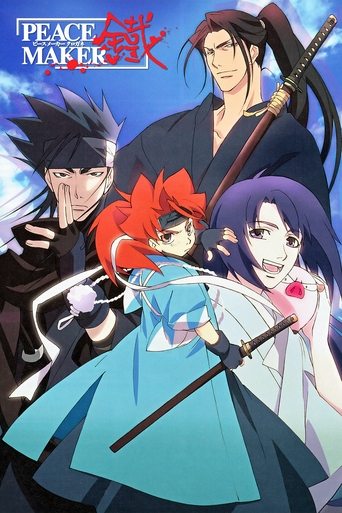
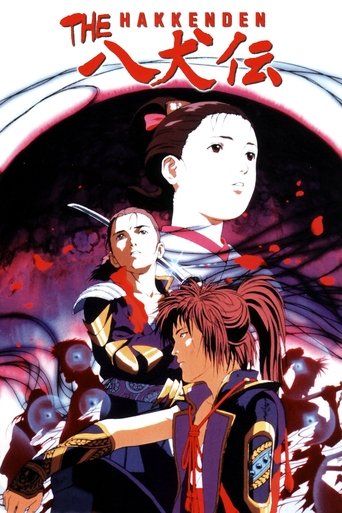
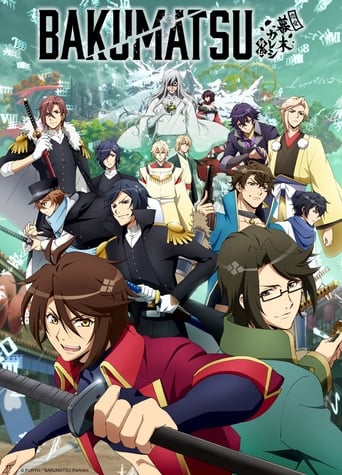
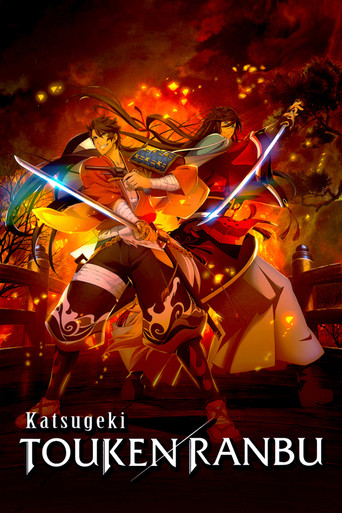
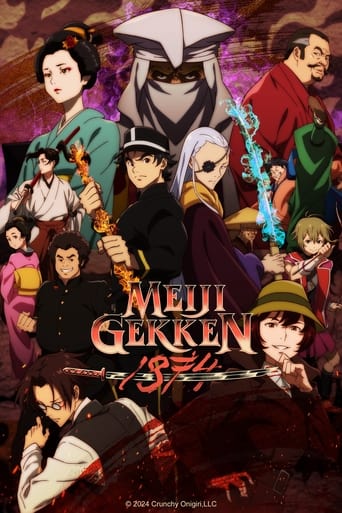
Several of the best stories are set in the bakumatsu, the last years of the shogunate in the 1860s, when Japan was torn between loyalty to the old order and the pull of the modern world. At the centre of that turmoil stood the Shinsengumi, a special police force of swordsmen in Kyoto. Blue Miburo follows Nio, an honest, kind-hearted boy who joins them in 1863 and learns what their ideals cost. Peacemaker Kurogane follows a fifteen-year-old who joins the same force seeking revenge for his parents, and the two Hakuouki films, Hakuouki: Wild Dance of Kyoto and Hakuouki: Warrior Spirit of the Blue Sky, add a supernatural twist. Moeyo Ken TV, Katsugeki: Touken Ranbu and the comic Bakumatsu offer three more views of the same era, and Meiji Gekken: 1874 follows a former samurai, a bodyguard, a spy and a geisha assassin in the new Meiji Japan that came after.
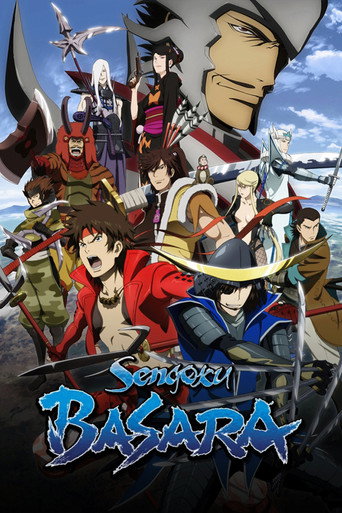
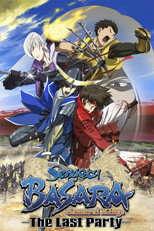
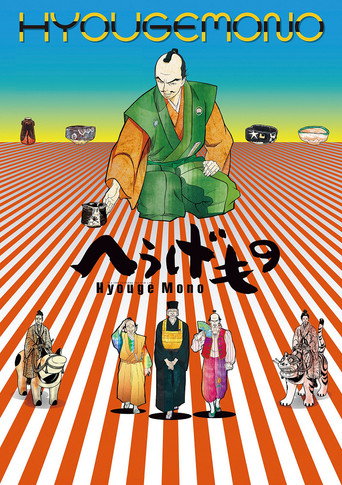
The Warring States period of the fifteenth and sixteenth centuries, when warlords fought for control of the country, inspires spectacular action. Sengoku BASARA: Samurai Kings turns the famous warlords, from the one-eyed Date Masamune to Sanada Yukimura, into larger-than-life heroes with outrageous fighting styles, and Sengoku Basara: The Last Party brings them to the cinema. Samurai Warriors and Samurai Warriors: Legend of the Sanada follow the same heroes more soberly, and Hyouge Mono takes a very different path, following a vassal of Oda Nobunaga who cares more for tea ceremonies and beautiful objects than for war.
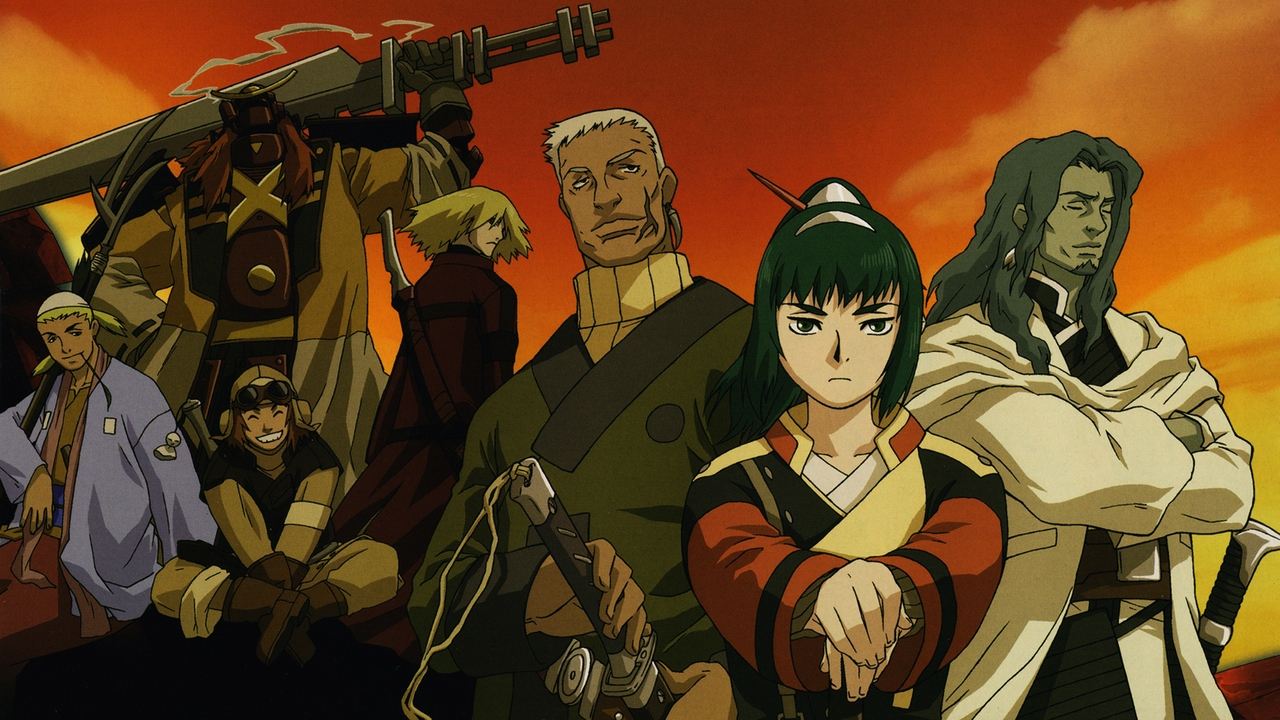
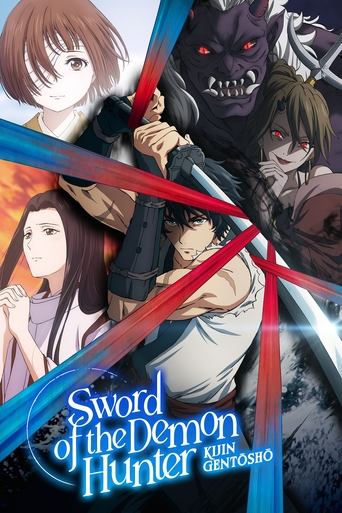
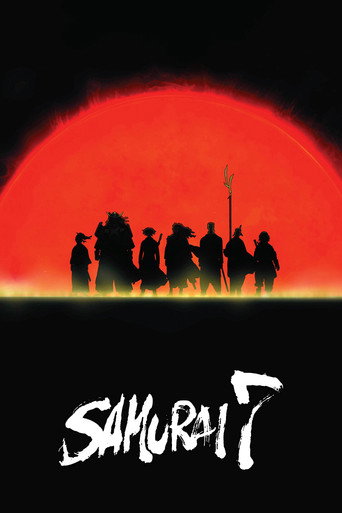
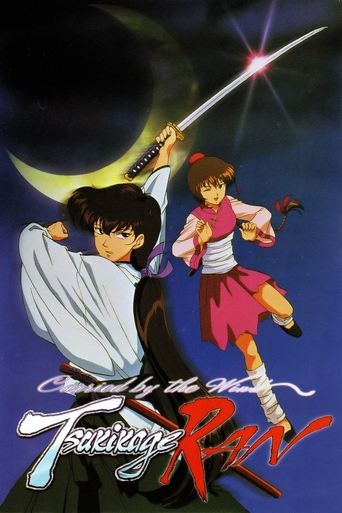
Wandering swordsmen have their own tradition. Samurai 7, from Gonzo, reimagines Akira Kurosawa's Seven Samurai as a science-fiction epic, as a young priestess gathers seven warriors to defend her village from mechanised bandits. Carried by the Wind: Tsukikage Ran follows a master swordswoman who loves sake and helps people in trouble, and The Corgi and the Samurai follows a fearsome warrior who finds a new life with a very small dog. Sword of the Demon Hunter follows a swordsman across a century of Japanese history, and Samurai Deeper Kyo is a supernatural adventure about a legendary samurai sealed inside the body of his rival.
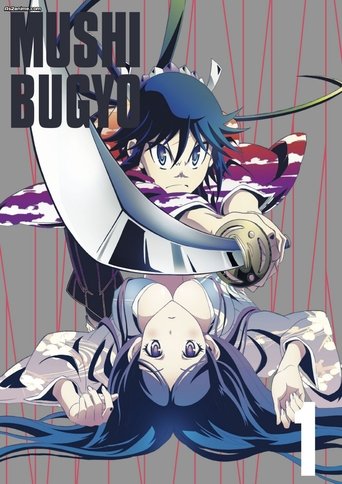
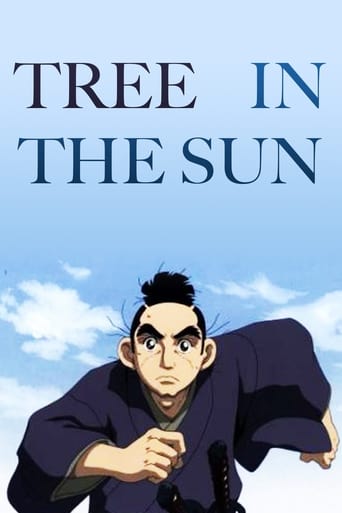
The shelf also holds the stage-like Gintama compilation films, starting with Gintama on Theater 2D: Baragaki-hen, the historical dramas The Tree In Sunlight, about a young doctor and a young samurai in the 1850s, and Mushibugyou, about insect magistrates in eighteenth-century Edo, and the Touken Ranbu series, in which famous historical swords become young warriors who protect the past from those who would change it.
Ninja
Ninja, the shadow warriors of old Japan, are the heart of the name Anikage. The Ninja shelf gathers their stories, and the ninja guide suggests where to start.
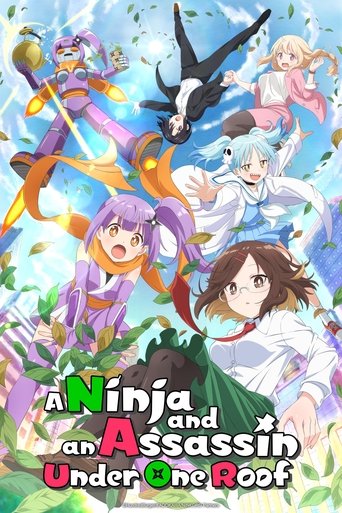
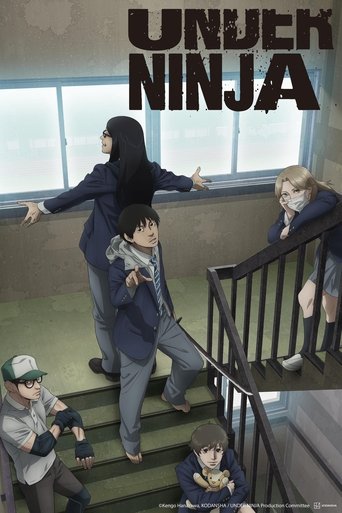
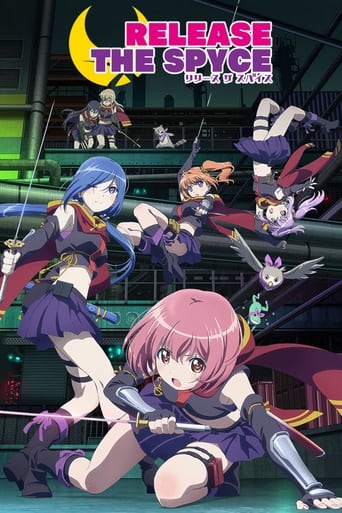
Modern ninja stories play with the idea that the old clans still exist today. UNDER NINJA imagines thousands of ninjas living in secret across modern Japan, following a young man who spends his days doing very little until he receives an unusual mission. A Ninja and an Assassin Under One Roof is a lively comedy about a runaway ninja and the assassin who takes her in, I'm Living with an Otaku NEET Kunoichi!? pairs a genius female ninja with an ordinary office worker, and Release the Spyce follows a high school girl who belongs to a secret organisation of spies. Ninja Girl & Samurai Master is a comedy about a young ninja who serves the warlord Oda Nobunaga.
Yokai are the spirits, goblins and monsters of Japanese folklore: umbrellas that come to life, foxes that take human form, river imps that pull swimmers under and mischievous ghosts who live in old houses. Anime has loved them for decades, and the Yokai and spirits shelf gathers more than fifty titles, with the yokai guide as a friendly introduction.
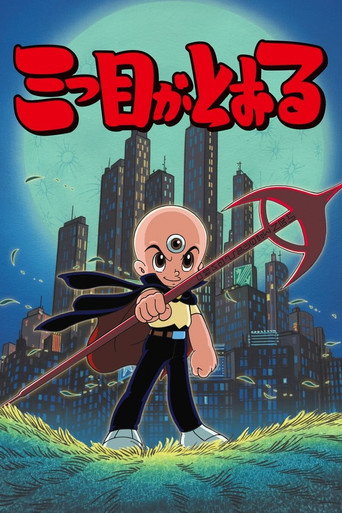
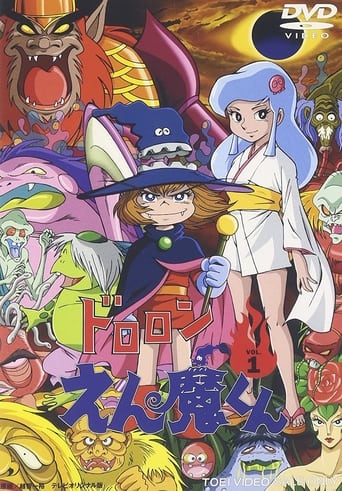
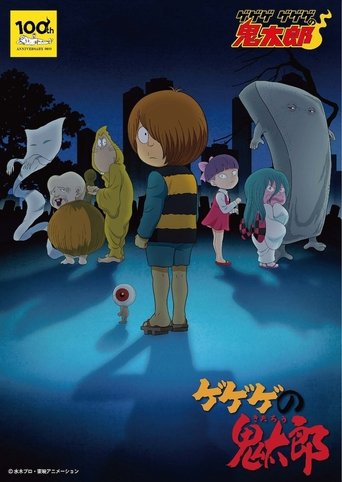
The most important figure here is Kitaro, the one-eyed yokai boy created by the manga artist Shigeru Mizuki. A member of the Ghost Tribe, born in a graveyard and accompanied by his father, a small talking eyeball, Kitaro protects humans from troublesome spirits while living among the yokai himself. The guide holds four of his television series, from 1971, 1985, 1996 and 2007, each reimagining the same stories for a new generation, and a handful of films from the 1980s to the 2000s.
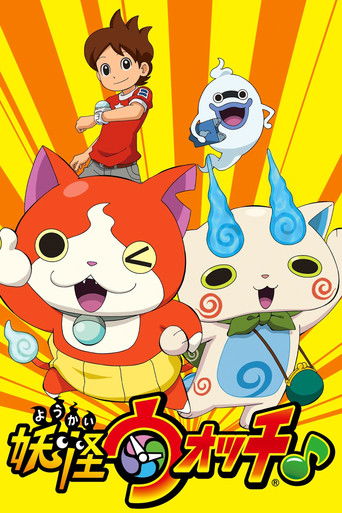
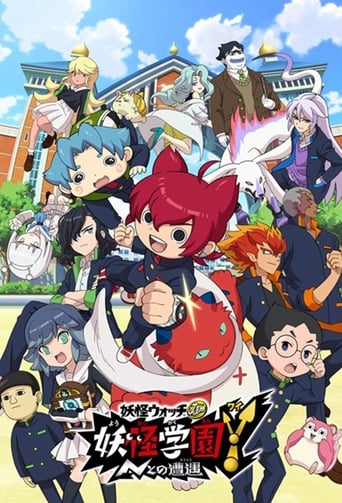
Yo-kai Watch brought the same folklore to a new generation of children in the 2010s. Yo-kai Watch ♪ and Y School Heroes continue the adventures of the boy Nate, his floating butler Whisper and the cat spirit Jibanyan, and the films, such as Yo-kai Watch♪: Jibanyan vs. Komasan - The Big Amazing Battle, Nyan, are silly, colourful fun. The Hell Teacher Nube films, such as Hell Teacher Nube, follow a teacher with a demon's hand who protects his pupils from the supernatural.
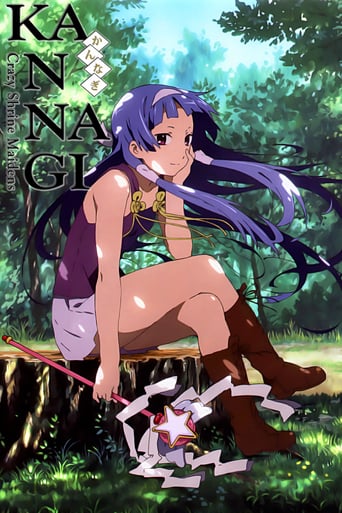
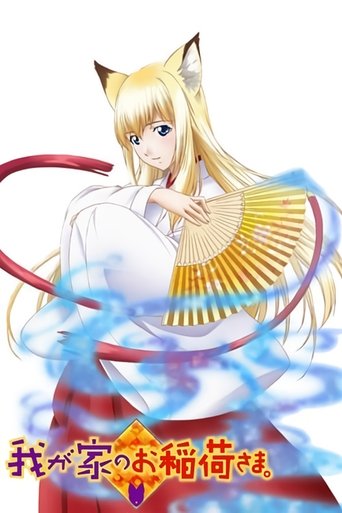
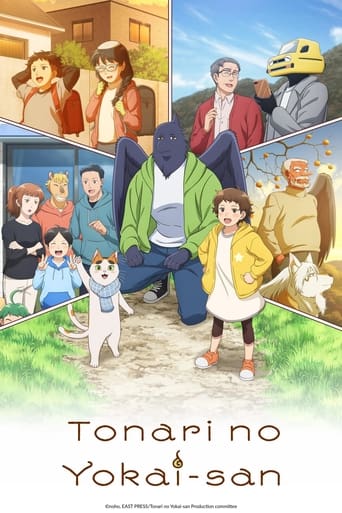
Many series show spirits living quietly beside people. Girl Meets Bear follows a young shrine maiden in a mountain village who looks after a talking bear revered by the villagers. Kannagi: Crazy Shrine Maidens brings a goddess to life when an art student carves a statue from sacred wood, Our Home's Fox Deity sends a fox spirit to protect two brothers, and The House Spirit Tatami-chan is a gentle gag comedy about a sardonic ghost. Mokke follows two sisters who can sense spirits, Ghost Stories follows children who battle ghosts released by construction near their school, and Windy Tales follows a girl who discovers people who can shape the wind.
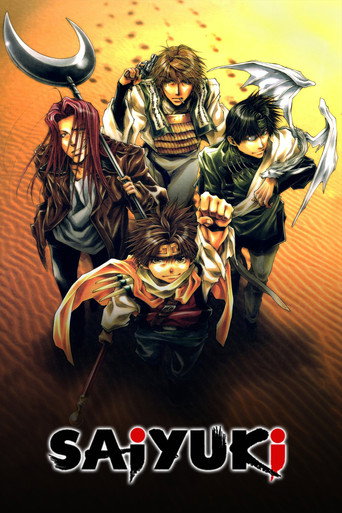
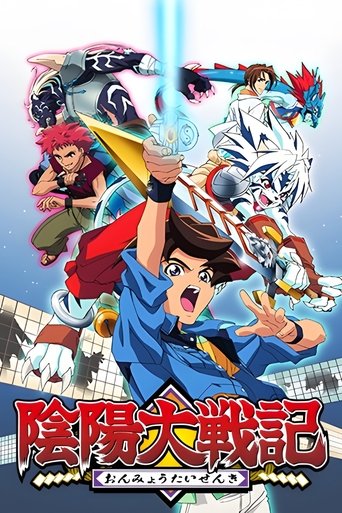
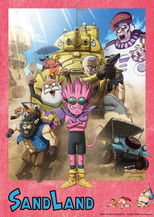
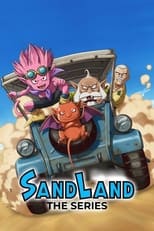
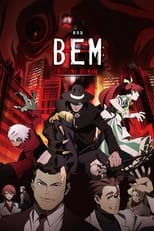
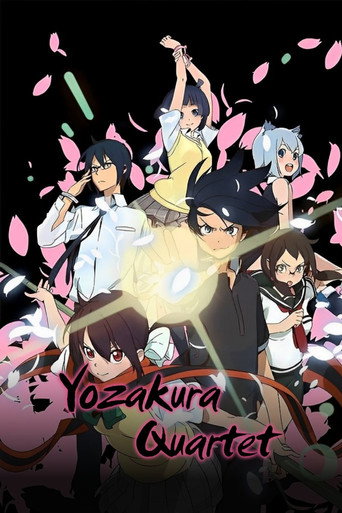
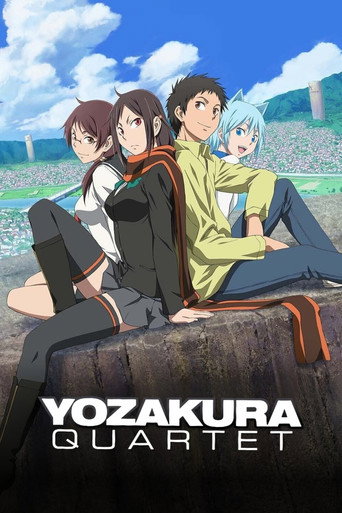
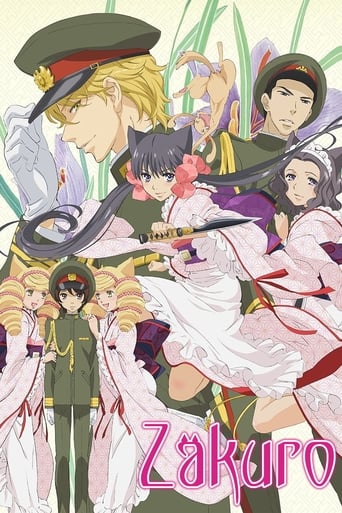
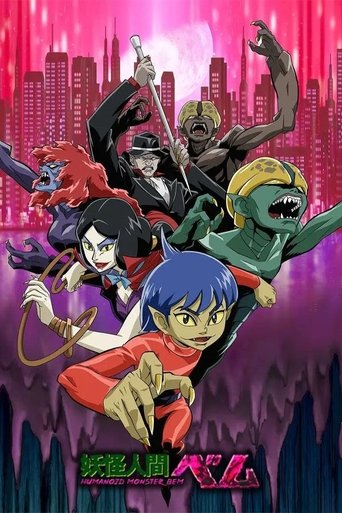
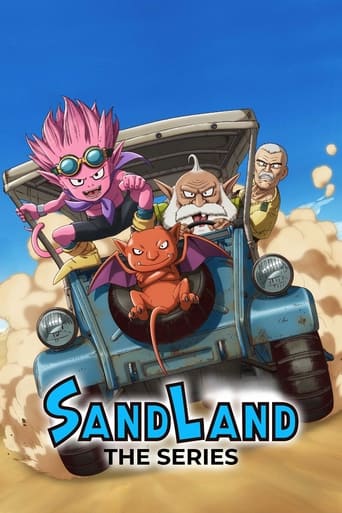
The onmyoji, masters of yin and yang who protected the Heian court from spirits, appear in Shonen Onmyouji, about the grandson of the legendary Abe Seimei, and Onmyou Taisenki, a card-battle adventure. Yozakura Quartet is set in a town where humans and yokai live side by side, Zakuro imagines a Meiji-era Japan where spirit girls help the government, Amatsuki sends a schoolboy into a virtual Edo full of spirits, and Tactics follows a folklore scholar who can see demons. The three wandering yokai of Humanoid Monster Bem and BEM dream of becoming human, Saiyuki retells Journey to the West with demons and a chain-smoking monk, and Akira Toriyama's Sand Land follows a demon prince in a desert world.
Mysteries and detectives
Shadows hide secrets, and Anikage has a shelf of mysteries to solve. The Mysteries shelf gathers more than thirty titles, and the mystery guide picks a few favourites.
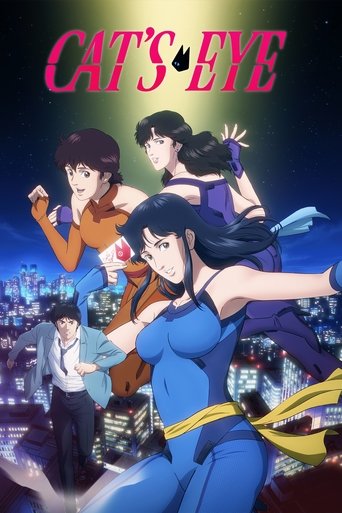
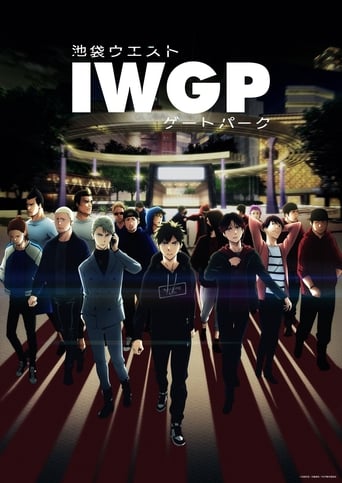
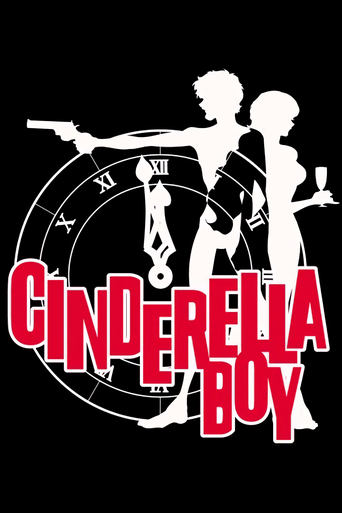
Classic detective adventures appear too. Cinderella Boy follows a penniless private detective and his thrill-seeking partner, Ryoko's Case File follows a brilliant police superintendent, CLAMP School Detectives follows three boys who solve cases at a vast school, and Her Majesty's Petite Angie follows a sharp young girl on the trail of a thief in the 1970s. Cat's Eye follows three sisters who run a café by day and steal art by night, Ikebukuro West Gate Park follows a young troubleshooter in Tokyo's streets and Vatican Miracle Examiner follows two priests who investigate miracles.
Dark fantasy
The Dark fantasy shelf gathers more than forty titles about exorcists, vampire hunters, demons and cities full of secrets, and the dark fantasy guide suggests where to start.
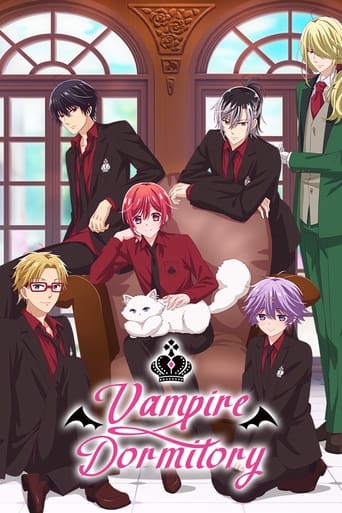
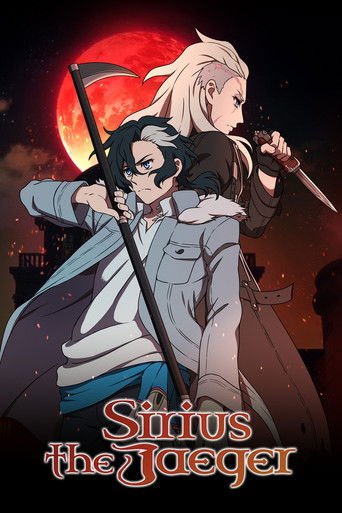
Chrono Crusade is a favourite. In 1920s New York, a hot-headed young nun, Rosette Christopher, works for an order that fights demons, alongside Chrono, a demon who has sealed away his own power, and their story becomes one of the most moving in the genre. Sirius the Jaeger follows a secret band of vampire hunters in imperial Tokyo, Vampire Dormitory follows a young woman who disguises herself as a boy and finds shelter with a vampire, and Descendants of Darkness follows a guide of souls to the afterlife who solves strange cases.
The titles on Anikage span more than half a century. The oldest is a short pilot for Osamu Tezuka's Dororo from 1968, made to show sponsors the dark samurai tale he planned, and the 1970s bring the first Kitaro series and Go Nagai's horror comedy The Little Judge from Hell, in which a boy from the underworld hunts escaped demons.
A few Japanese words appear again and again in these stories, and knowing them adds a lot to the viewing.
A samurai is a member of the old warrior class, bound by loyalty to a lord, and a ronin is a samurai who has lost his master and wanders the country. The katana is the long curved sword that became the samurai's soul. The Sengoku period, or Warring States period, ran from the late fifteenth to the late sixteenth century, when rival warlords such as Oda Nobunaga, Takeda Shingen and Date Masamune fought to unite Japan. The Edo period followed, two and a half centuries of peace under the Tokugawa shoguns, and the bakumatsu was its dramatic final chapter in the 1850s and 1860s. The Shinsengumi was the special police force of swordsmen who defended the shogunate in Kyoto during those last years, and the Meiji era began when the emperor was restored to power in 1868.
A ninja, or shinobi, was a spy and saboteur trained in stealth, disguise and unusual weapons, and a kunoichi is a female ninja. Iga and Koga were the most famous ninja provinces, and many stories place their clans in secret villages in the mountains.
Yokai is the broad word for supernatural creatures, from harmless household spirits to fearsome demons. An oni is an ogre-like demon, a kitsune a fox spirit, a tanuki a shape-shifting raccoon dog and a kappa a river imp. A miko is a shrine maiden, and an onmyoji is a court diviner and exorcist who uses the principles of yin and yang. Kaidan are traditional ghost stories, many of them told on hot summer nights to send a shiver down the spine.
The real history behind the stories
Many titles on Anikage are built around real people and events, and a little background makes them even richer.
Oda Nobunaga, the ambitious warlord who began the unification of Japan in the sixteenth century, appears in more stories here than any other historical figure. He is a larger-than-life villain in the ninja adventures of the 1980s, a demanding master in the tea-ceremony comedy Hyouge Mono and the object of a young ninja's devotion in Ninja Girl and Samurai Master. His successors, Toyotomi Hideyoshi and Tokugawa Ieyasu, completed the work he began, and the great battle of Sekigahara in 1600 opened the long peace of the Edo period, which is the backdrop of Sengoku Basara's film and the Samurai Warriors series.
The Sanada family, and especially the young warrior Sanada Yukimura, became legends for their defiance of the Tokugawa, and they appear in Sengoku BASARA and in the Samurai Warriors special devoted to them. Date Masamune, the one-eyed dragon of the north, is another favourite, famous for his crescent-moon helmet.
The Shinsengumi are the other great source of stories. Formed in 1863 to keep order in Kyoto for the shogunate, they counted among their leaders the commander Kondo Isami, the strict vice-commander Hijikata Toshizo and the brilliant young swordsman Okita Soji, who died of illness in his twenties. Their rivals included the reformers of the Choshu and Satsuma domains and the adventurous Sakamoto Ryoma, who helped bring the two domains together. Blue Miburo, Peacemaker Kurogane, Hakuouki, Moeyo Ken and Katsugeki: Touken Ranbu all return to these people, each from a different angle.
The Meiji era that followed saw the samurai class abolished and swords banned in public, which is why so many stories set in the 1870s, from Meiji Gekken to the wandering swordsmen of other series, are about warriors searching for a new place in a changing world. And in the background of many yokai stories stands the Heian court of the tenth and eleventh centuries, when the onmyoji Abe Seimei was said to guard the capital from spirits, a legend that lives on in Shonen Onmyouji.
Where the yokai live
Japanese folklore is closely tied to places, and many yokai stories are rooted in particular regions. Mountain villages are home to tengu, long-nosed spirits of the peaks, and to the bears and gods of Girl Meets Bear. Rivers and ponds shelter kappa, the mischievous water imps who love cucumbers. Old houses have their own spirits, such as the zashiki-warashi, a child ghost who brings good luck, and the grumpy household ghost of Tatami-chan, who comes from Iwate in the north. Shrines are guarded by fox spirits, the messengers of the rice god Inari, and by the shrine maidens who serve there.
Shigeru Mizuki, who created Kitaro, spent his life collecting and drawing yokai, and his home town of Sakaiminato is now lined with more than a hundred bronze statues of his creatures. His work shaped how all later anime imagined the spirit world, and the Kitaro series on Anikage show how his creations changed over half a century, from the eerie tales of the 1970s to the brighter adventures of the 2000s.
Summer is the traditional season for ghost stories in Japan. On hot nights, people gather to tell kaidan, and festivals such as Obon welcome the spirits of ancestors home for a few days each year. Many of the gentler series here, from Mokke to Ghost Stories, capture that summer feeling of cicadas, lanterns and something just out of sight.
The studios behind the shadows
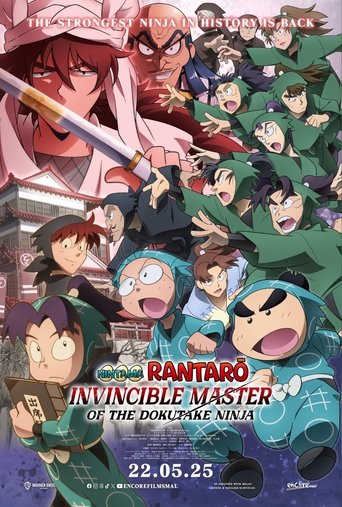
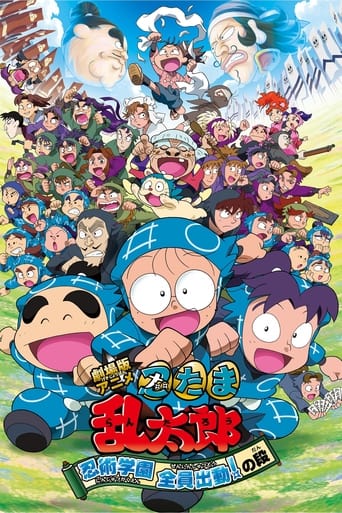
Several studios appear often on Anikage. Toei Animation has made Kitaro series for five decades, as well as many family films, and its versions have introduced each new generation of Japanese children to the spirit world. Gonzo made Samurai 7, one of the most ambitious samurai series of the 2000s, known for its mix of hand-drawn characters and computer-animated machines. Studio Deen made several historical and supernatural series, including the Hakuouki adaptations, and GoHands gave the K series its glossy, colour-drenched style. OLM and Level-5 created the Yo-kai Watch series, and the long-running Nintama Rantaro has been animated by Ajia-do since the 1990s.
Newer studios bring fresh looks. The team behind Blue Miburo gave the Shinsengumi story a bright, modern style, and The Corgi and the Samurai uses a warm, simple look that suits its gentle humour. Each title page on Anikage lists the studios behind it, so you can follow a studio whose style you enjoy from one series to the next.
Tips for watching
A few tips help when exploring older titles. Many series from the 1980s and 1990s were released on video in short runs of two to six episodes, so they make perfect single-evening viewing. Long television series, such as the Kitaro and Yo-kai Watch shows, are made of short, self-contained episodes, so you can dip in anywhere. Historical dramas such as Blue Miburo reward watching in order, and the ranked lists and themed rows on the home page help you decide where to start.
Save everything that catches your eye in My List and tick off episodes as you go. The list lives in your browser and can be exported to a small file whenever you want to move it to another device.
When you find a title you love, look at its release year as well as its studio. Series from the same decade often share a look: the painted backgrounds and soft colours of the late 1980s video releases, the bright digital colours of the early 2000s and the crisp, detailed lighting of recent series. Following those threads through the shelves is one of the quiet pleasures of a guide like this, and it often leads to hidden gems that few people have heard of, waiting in the shadows for a new audience to discover them and share them with friends.
Laughter in the shadows
For all its swords and spirits, Anikage has plenty of comedy. The Gintama compilation films, such as Gintama on Theater 2D: Kintama Arc and Gintama on Theater 2D: Shinsengumi Douran Arc, set their jokes in an alternate Edo invaded by aliens, where the lazy samurai Gintoki takes odd jobs with his friends and the city's own Shinsengumi are as ridiculous as they are brave. The films bring favourite story arcs to the cinema in a new format, and they are among the most popular titles in the guide.
One of the most unusual ideas on Anikage is Touken Ranbu, which began as a browser game in 2015 and became a whole family of anime. In its stories, famous historical swords, the blades carried by real samurai and preserved in Japanese museums and shrines, take human form as young warriors. From the year 2205, they travel into the past to stop forces that want to change history, protecting famous events such as the fall of the Shinsengumi or the battles of the Warring States period.
The series take very different tones. Touken Ranbu: Hanamaru is a gentle comedy about the sword warriors' daily life between missions, Katsugeki: Touken Ranbu is a dramatic action series set in 1863, and TOUKEN RANBU KAI KYODEN and its prequel film form a darker, more stylised story. Together they are a playful way into Japanese history, and many fans have visited museums to see the real swords after watching.
A short guide to Kitaro
Because the Kitaro stories have been told so many times, it helps to know the versions. The 1971 series, the second adaptation, continued the eerie tone of the original black-and-white show from the 1960s. The 1985 series, the third, became a huge hit with children and introduced many viewers to Kitaro's friends: his father Medama-oyaji, a talking eyeball who lives in a bowl of water; the sly Nezumi-otoko, half man and half rat; Neko-musume, the cat girl; and the helpful spirits Sunakake-babaa, Konaki-jijii, Nurikabe and Ittan-momen, a flying strip of cloth that carries Kitaro through the sky.
The 1996 series, the fourth, brought a slightly darker, more atmospheric style, and the 2007 series, the fifth, a brighter, more comic one with a larger cast of yokai villains. Each version has its own films, several of which are on Anikage, from the 1980s adventures to a special film made for amusement parks. Watching two versions side by side is a fascinating way to see how Japanese television animation changed over forty years, while the heart of the story stayed the same: a yokai who chooses to stand between the human world and the spirits who would harm it.
Anikage is a guide, and every title page leads to the official services that carry it. The how to watch guide walks through the steps. Choose a title from the hero, a row, a ranked list or the search. Read its page, which shows the story, the studio, the voice cast and, for series, every episode with its air date. Then choose your country and press Watch now, and JustWatch lists every official service that carries it, including subscription platforms, rental shops and free channels with adverts.
The finding a title guide explains how search handles English titles, Japanese titles and episode numbers, which is handy because many older series are known by several English names. The subtitles and dubs guide explains how to choose between Japanese audio with subtitles and a dubbed track. The free anime guide explains how to find titles that stream at zero cost with adverts, and the where Anikage titles stream guide gives a short overview of the official services.
The apps and devices guide covers phones, tablets, computers and televisions, and the streaming safely guide is a short checklist for accounts and passwords. The official site guide shows how to recognise Anikage, and the site status guide lists quick fixes when a page looks odd. The My List guide explains how to save titles, tick off episodes and move your list between devices.
Heroes of the shadows
The stories on Anikage are full of memorable heroes, and many of them share a quiet, watchful quality that suits the name. There is the loyal young swordsman who joins a cause larger than himself and learns its true cost, as in Blue Miburo and Peacemaker Kurogane. There is the wanderer with a past, who arrives in a troubled village, sets things right and moves on, like Ran in Carried by the Wind or the ronin of Samurai 7. There is the ninja who hides in plain sight, whether in a medieval castle or a modern apartment block, and the shrine maiden or exorcist who stands between the human world and the spirits.
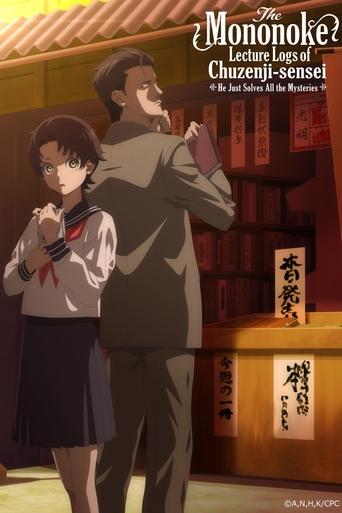
The detectives form a family of their own. Kindaichi, Chuzenji-sensei and the team of Neuro all share a gift for noticing what others miss and a patience with the strange that turns fear into understanding. The spirits themselves are often the most lovable characters of all: Kitaro and his father, the chatty cat Jibanyan, the protective fox deity and the grumpy household ghost, each a reminder that many shadows hide a friend.
Villains are just as colourful, from the demon lords and rival clans of the 1980s video releases to the scheming officials of the historical dramas and the monsters of the dark fantasies. Some of the best stories, like Chrono Crusade and Samurai Deeper Kyo, blur the line between hero and demon altogether, asking what makes a monster and what makes a friend.
Solving it together
Mysteries and ghost stories are wonderful to watch with other people. Pause a Kindaichi film before the final reveal and let everyone guess the culprit, or take turns choosing a Kitaro episode on a summer evening. The anthology series, such as Kowabon and The World Yamizukan, are made of very short episodes that are perfect for a quick shiver before bed, and the historical dramas are ideal for a weekend of steady viewing. The shelves and rows of Anikage are designed to make those choices easy, and My List keeps every discovery in one place.
For a longer project, pick one shelf and work through it over a few weeks: the Samurai shelf from the oldest titles to the newest makes a fascinating tour of how anime has imagined Japan's past, and the Yokai and spirits shelf, taken in the same way, shows how the folklore of the countryside found new life on television. Each title page lists the year, the studio and the voice cast, so you can notice how styles and voices change from decade to decade, and how the same legends return again and again in fresh forms for each generation of viewers.
Viewing routes
Here are a few routes through the shadows, each built from titles on Anikage.
Stories of samurai, ninja and spirits have fascinated audiences for centuries, long before anime existed. Kabuki plays, woodblock prints, ghost-story books and later cinema all returned to them, and anime inherited that rich tradition. The samurai story asks what loyalty and honour mean when the world is changing. The ninja story delights in secrets, disguises and clever tricks. The yokai story keeps alive a sense that the ordinary world is full of hidden life, that an old umbrella or a quiet shrine might be home to a spirit with its own feelings and moods.
Mysteries and dark fantasies follow the same instinct. A detective walks into a strange village with an eerie legend and finds a human explanation; an exorcist walks into a haunted building and finds a spirit with a story to tell. In both, the shadows are a place where the truth is waiting to be found. That is why these stories feel both thrilling and comforting, and why so many of them have been told again and again, as the four Kitaro series on Anikage show.
The anime on this site also shows how many moods the shadows can hold. Some titles are fast and loud, like the sword battles of Sengoku BASARA. Some are gentle and funny, like The Corgi and the Samurai or Girl Meets Bear. Some are sad and thoughtful, like Blue Miburo or Peacemaker Kurogane. Moving between them is part of the pleasure, and the shelves are arranged so that you can follow a mood or a theme wherever it leads.
Step into the shadows
Anikage is built for anyone drawn to the shadowy side of Japanese storytelling, whether you love sword duels and historical drama, grew up with Nintama Rantaro or Kitaro, enjoy a good whodunit or like a little chill on a dark evening. Every title has been chosen by hand, every page leads to official services and every shelf is designed to make the next choice a little easier. Start with the hero, follow a row that catches your eye and enjoy the journey.
Questions
What is Anikage?
Anikage is a guide to samurai, ninja, yokai, mystery and dark fantasy anime, with a Watch now button on every title page that opens it on the official services in your country.
What does kage mean?
Kage means shadow in Japanese, and the guide gathers anime from the shadowy side of Japanese storytelling.
How do I watch a title?
Open the title page, choose your country and press Watch now. JustWatch opens with the official services that carry it where you live.
What are yokai?
Yokai are the spirits, goblins and monsters of Japanese folklore, such as fox spirits, river imps and household ghosts.
Which titles suit younger viewers?
The Family shelf gathers titles such as the Nintama Rantaro films, the Kitaro series, Yo-kai Watch and Girl Meets Bear.
Are the series subtitled or dubbed?
Most titles have English subtitles on official services, and many have English and other dubs. Each service lists its own tracks.
How do I keep track of a long series?
Add the series to My List and tick the episodes you have watched. Your place is kept in your browser.
Where do the scores and details come from?
Scores, episode lists, cast and studio details come from TMDB, and the Watch now button uses JustWatch to list official services.